
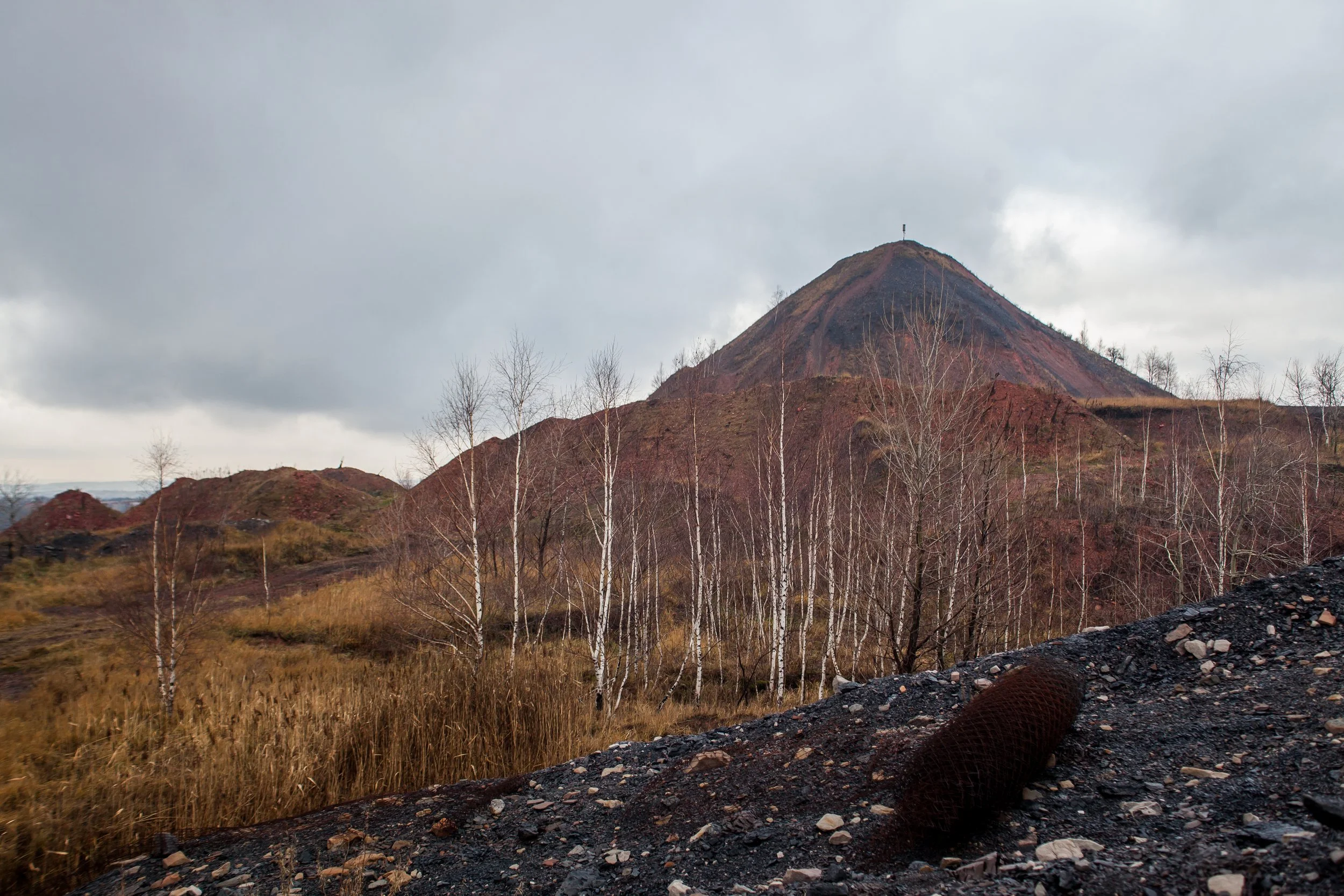
Bringing soils back to life.
We transform industrial waste into advanced, precision-formulated soil treatment that turn degraded lands into regenerating, carbon-negative ecosystems.
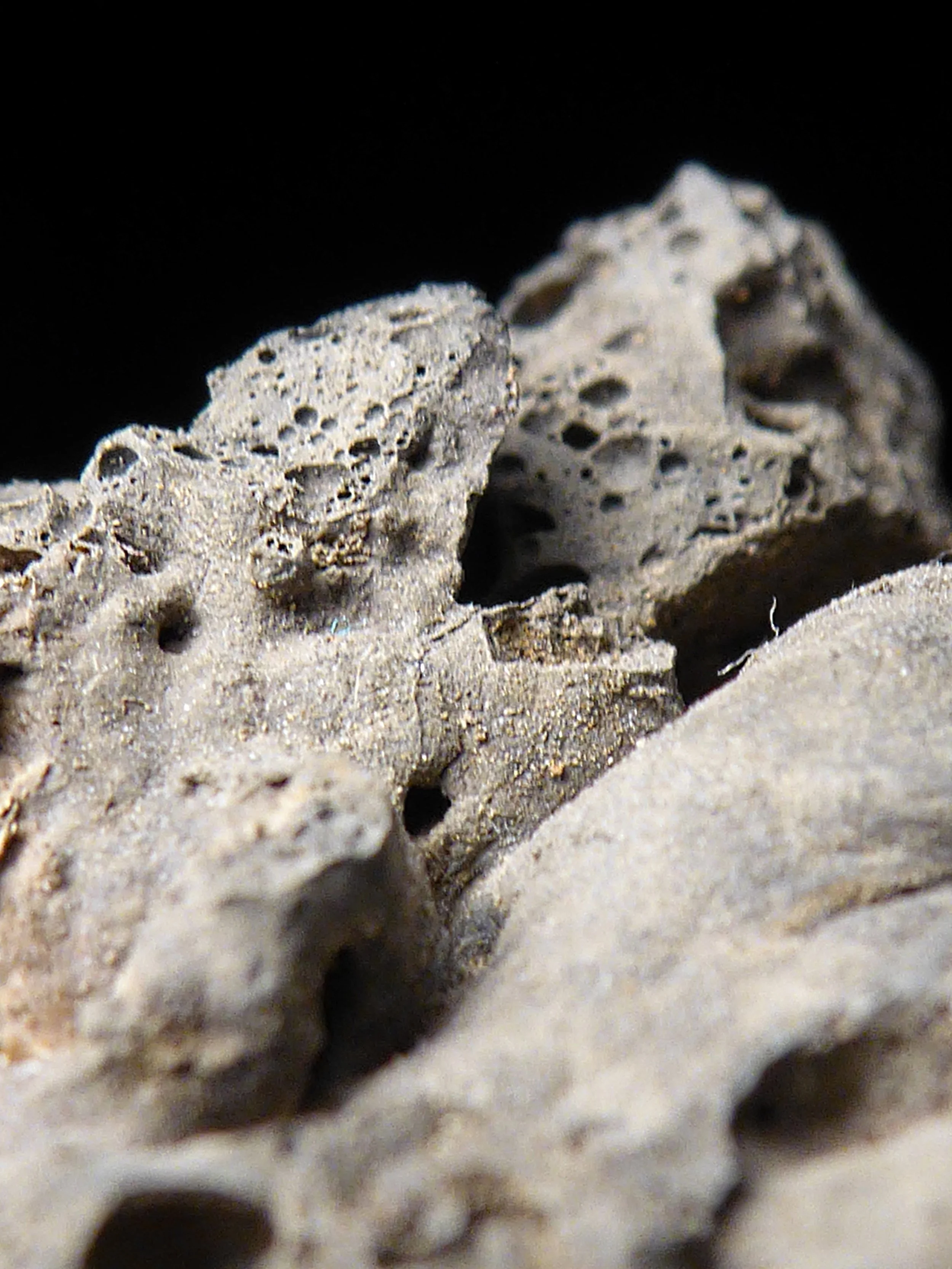
Slag
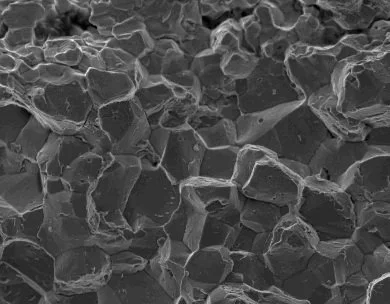
Slag [ slæg ] is a mineral-rich byproduct of steel production, generated in millions of tonnes every year. Left untreated, it accumulates indefinitely and becomes an environmental liability.
For CarboSlag, its natural composition of calcium, silicon, and magnesium makes it the raw material that drives circular land restoration, rebuilding soil fertility and capturing atmospheric CO2 in the process.
Soil is degrading at scale and the standard fix makes it worse.
Why it matters
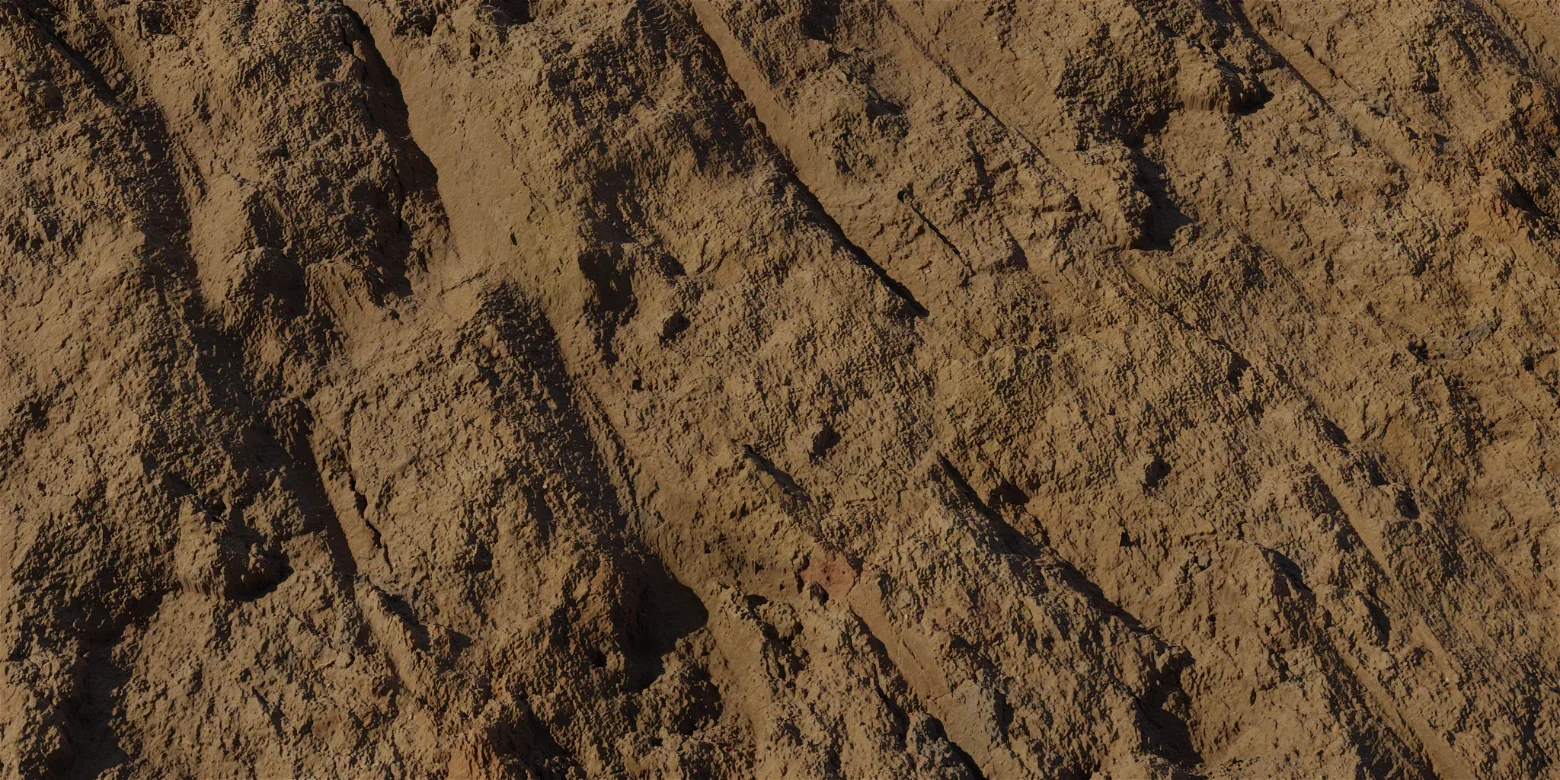
Slag
Steel production generates over 400 million tonnes of slag every year. Most of it goes to landfill or sits in stockpiles, an unresolved liability for an industry under growing pressure to decarbonise. A material with genuine mineral value is being wasted at planetary scale.
In our labs, we pre-activate the slag to optimize it for hosting thriving microbial life in the soil.
One third of the world's soils are degraded, and extremely acidified. Post-mining land is biologically dead: stripped of organic carbon, contaminated with heavy metals, and pH-disrupted beyond natural recovery. The standard fix is agricultural lime, it treats the symptom but never touches the cause.
neutralising the soils, fixing the carbon cycle, and feeding the soil microbes.
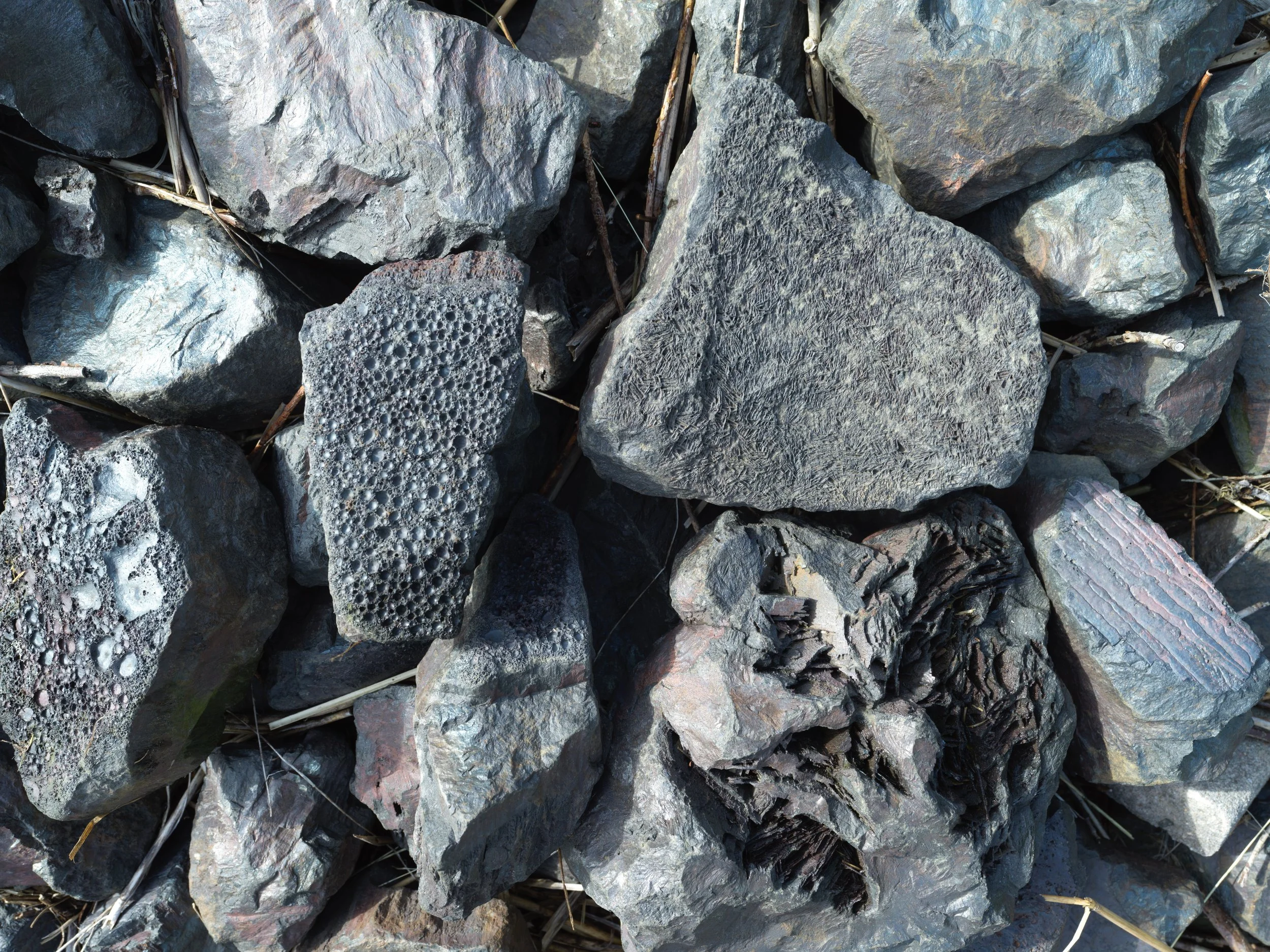
Soil
Soils hold more carbon than all the world's forests and atmosphere combined. When they degrade, that carbon is released. When they recover, they become one of the most powerful carbon sinks on the planet. The technology to unlock that potential exists. What has been missing is a scalable, circular way to deploy it.
We avoid emissions, lock them into the ground, and create carbon sinks.
Carbon


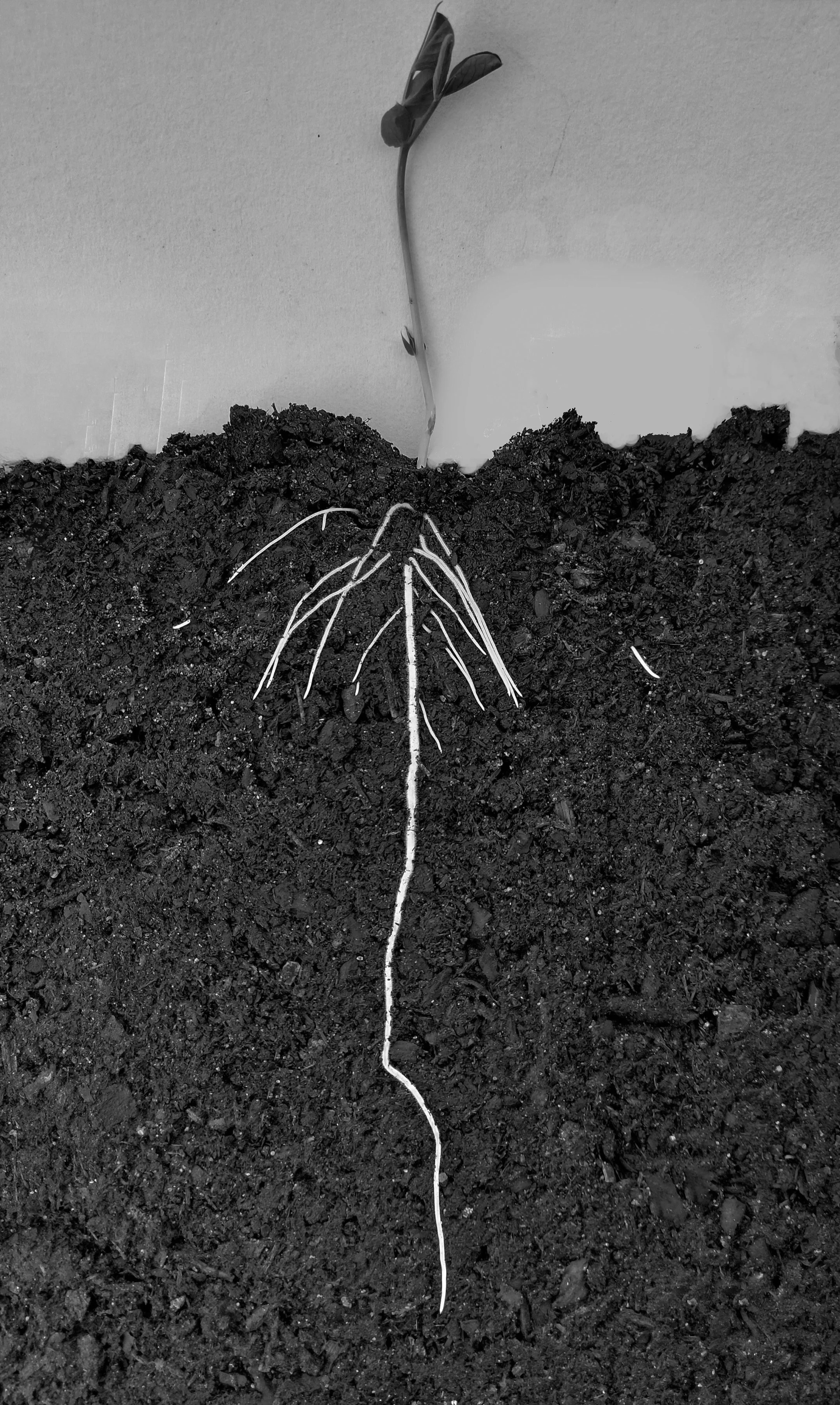
One circular product.
Three mechanisms.
Permanent effect.
How it works
Apply — Pre-activated slag is spread across degraded or post-mining soils, ensuring even mineral distribution and creating the conditions for restoration to begin.
React — Slag reacts with soil moisture, triggering pH correction and mineral release. CO2 is converted into stable carbonate compounds while soil fertility and microbial activity recover.
Transport — Dissolved carbon and minerals move through the soil water system into deeper layers, building carbon stocks throughout the full soil profile.
Store — Carbon transforms into stable organic and mineral forms locked into the soil matrix, creating a permanent and verifiable carbon sink.
The three mechanisms
Silicon Shield — plant-available silica strengthens cell walls and improves resilience under drought and stress.
Metal Lock-Down — the mineral matrix permanently immobilises heavy metals, making contaminated land safe for cultivation without excavation.
Dual-Path Carbon — root exudate stimulation and mineral carbonation run concurrently, building biological and geochemical carbon stocks simultaneously.
+34%
crop yield
lab validated
-30%
fertilizer use
per application cycle
+60%
metal immobilization
vs. lime incumbent
0.38t
carbon per hectare
sequestered annually
x/2
reapplication
vs. conventional lime